Offshore Wind: The Future in Sustainability
Offshore Wind’s Political and Geopolitical Moment
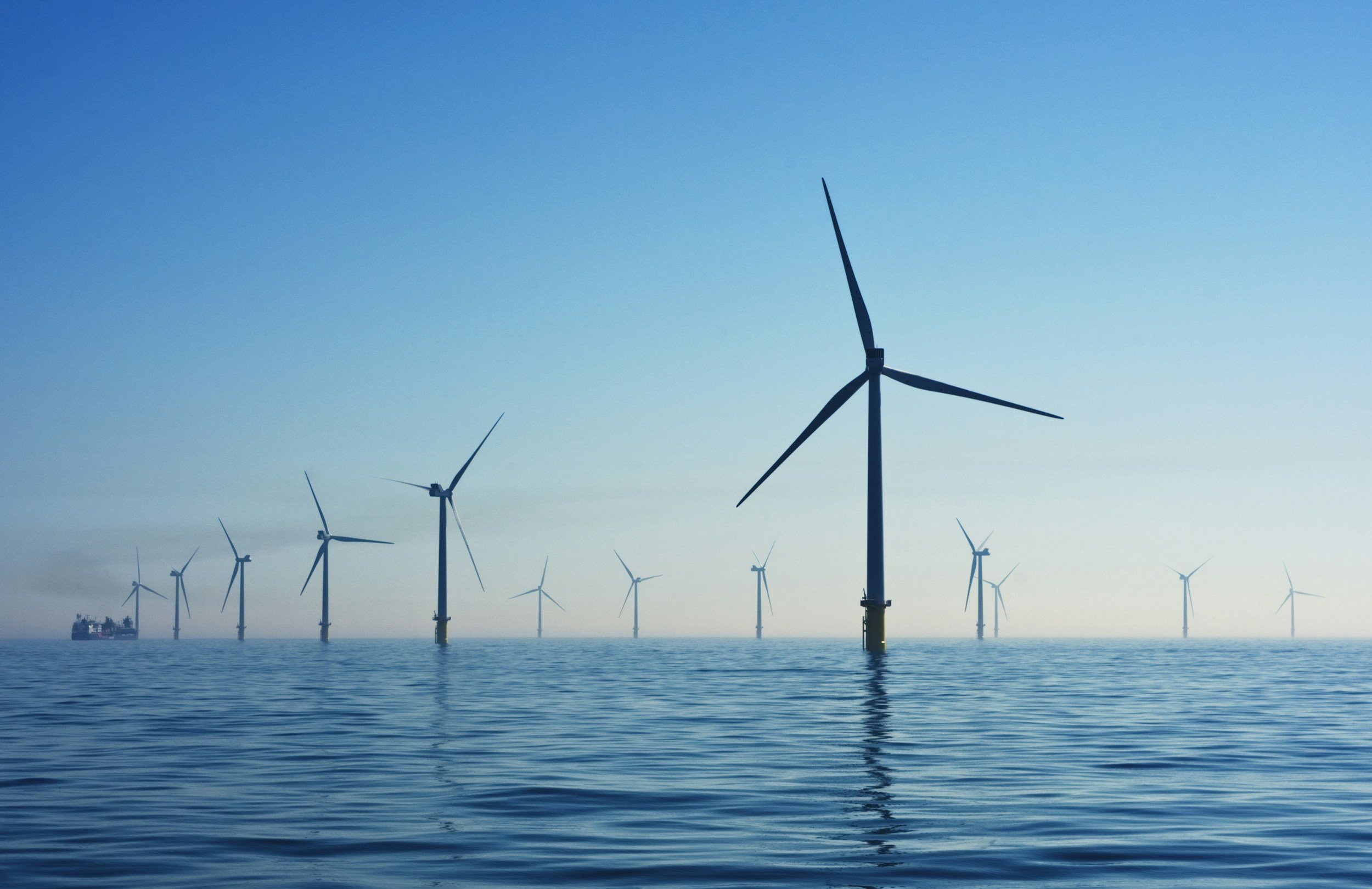
In 2024, wind became Britain’s largest source of electricity for the first time, generating 83TWh, or around 31% of all electricity consumed in Britain. This marked a turning point in the UK’s energy story. Offshore wind has grown from a fringe technology into a central part of Britain’s power system, and its scale is hard to picture until you step back.
A single offshore turbine can stand more than 250 metres tall, almost twice the height of the London Eye. Behind the blades sits the nacelle, the machine room that turns movement into electricity, often large enough to fit several double-decker buses.
From there, power can travel over 100 miles through subsea cables to shore. Offshore wind is not just turbines in the sea; it is a national-scale energy system.
The Problem
This is not enough. Geopolitics and rising gas prices have exposed how vulnerable Britain remains to global fossil fuel shocks.
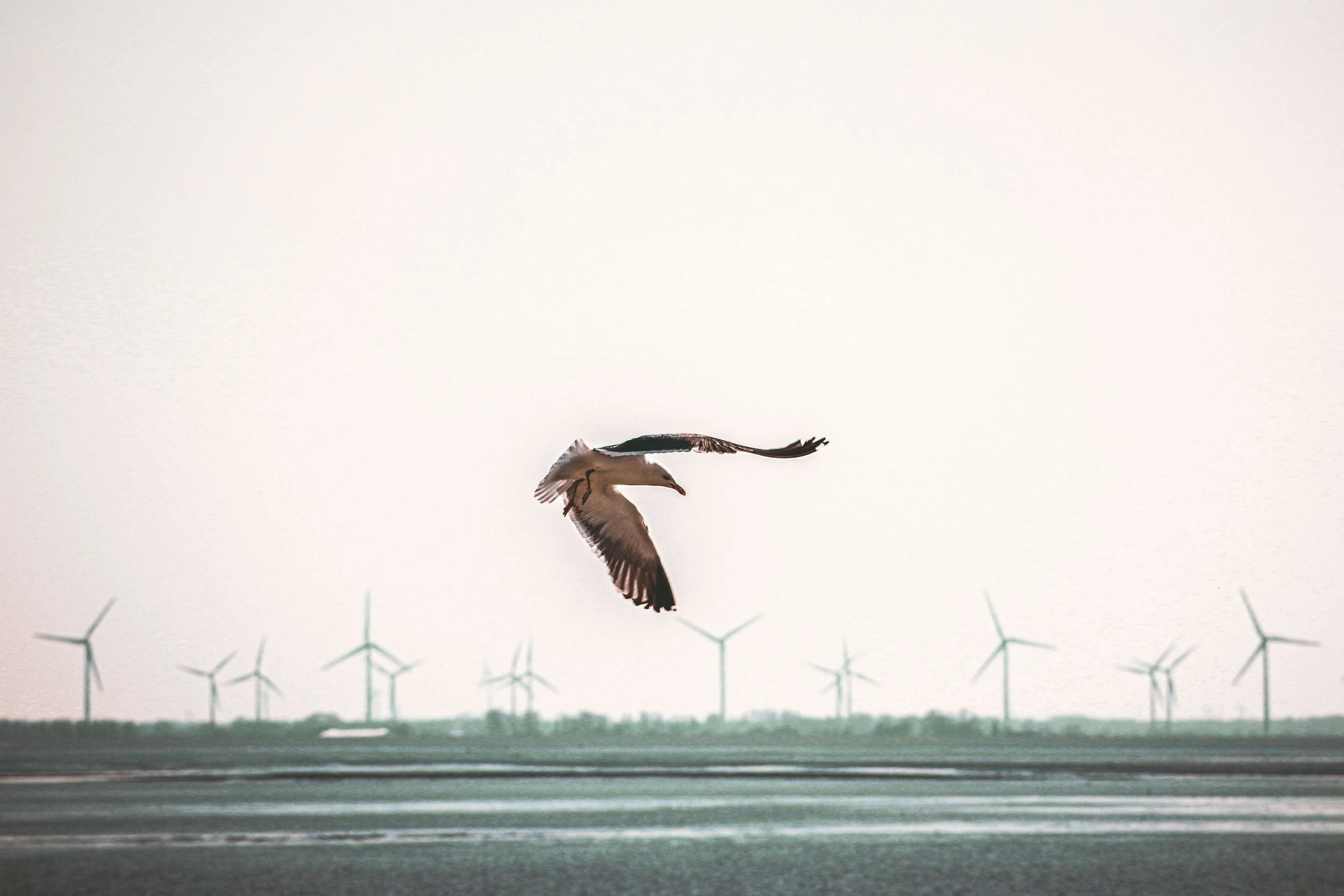
The UK needs cleaner, cheaper and more secure energy. Yet this development comes at a cost. Bird collisions, seabed disturbance and marine ecosystem damage are now some of the strongest criticisms aimed at offshore wind.
So the question is no longer simply whether offshore wind can grow, but whether it can grow sustainably.
This article explores how sustainability is becoming tied to the next stage of offshore wind development, and why that challenge could become one of the industry’s biggest opportunities.
Sustainability by Design
Sustainability is now built into offshore wind long before construction begins. Developers must complete years of environmental surveys, impact assessments and consultations before a project can be approved.
This process examines seabirds, marine mammals, fish, habitats and much more, forcing developers to follow a clear hierarchy: avoid damage where possible, reduce it where unavoidable, and compensate for any remaining impact.
Project approval now depends not only on energy output, but on proving environmental compliance.
Where impacts remain, developers can be required to fund mitigation and compensation measures.
The Marine Recovery Fund supports this by pooling developer contributions into larger nature recovery schemes, helping Marine Protected Areas, restore seabed habitats and support vulnerable seabird populations.
Technology is also pushing offshore wind in a more sustainable direction. The sector has always relied on engineering innovation, from building larger turbines to installing them further out at sea. Now, that same expertise is being used to reduce environmental damage.
Nature-inclusive designs are turning turbine foundations into reef-like structures, adding textured surfaces and small spaces where shellfish, crabs and other marine life can settle.
During construction, Ørsted’s new Osonic system uses a wall of underwater bubbles to reduce piling noise by up to 99%, limiting disturbance to marine mammals. Even turbine blades are changing, with new recycling methods using chemical solutions to break down materials so they can be reused. Offshore wind is not just expanding; it is becoming cleaner, smarter and more sustainable by design.
Powering the Wider Energy System
Looking forward, offshore wind’s future is not just about producing cleaner electricity, but about powering sustainable change across the whole energy system.
Its large and scalable output makes battery storage, or BESS, one of the biggest priorities, allowing excess wind power to be stored and released when demand is higher.
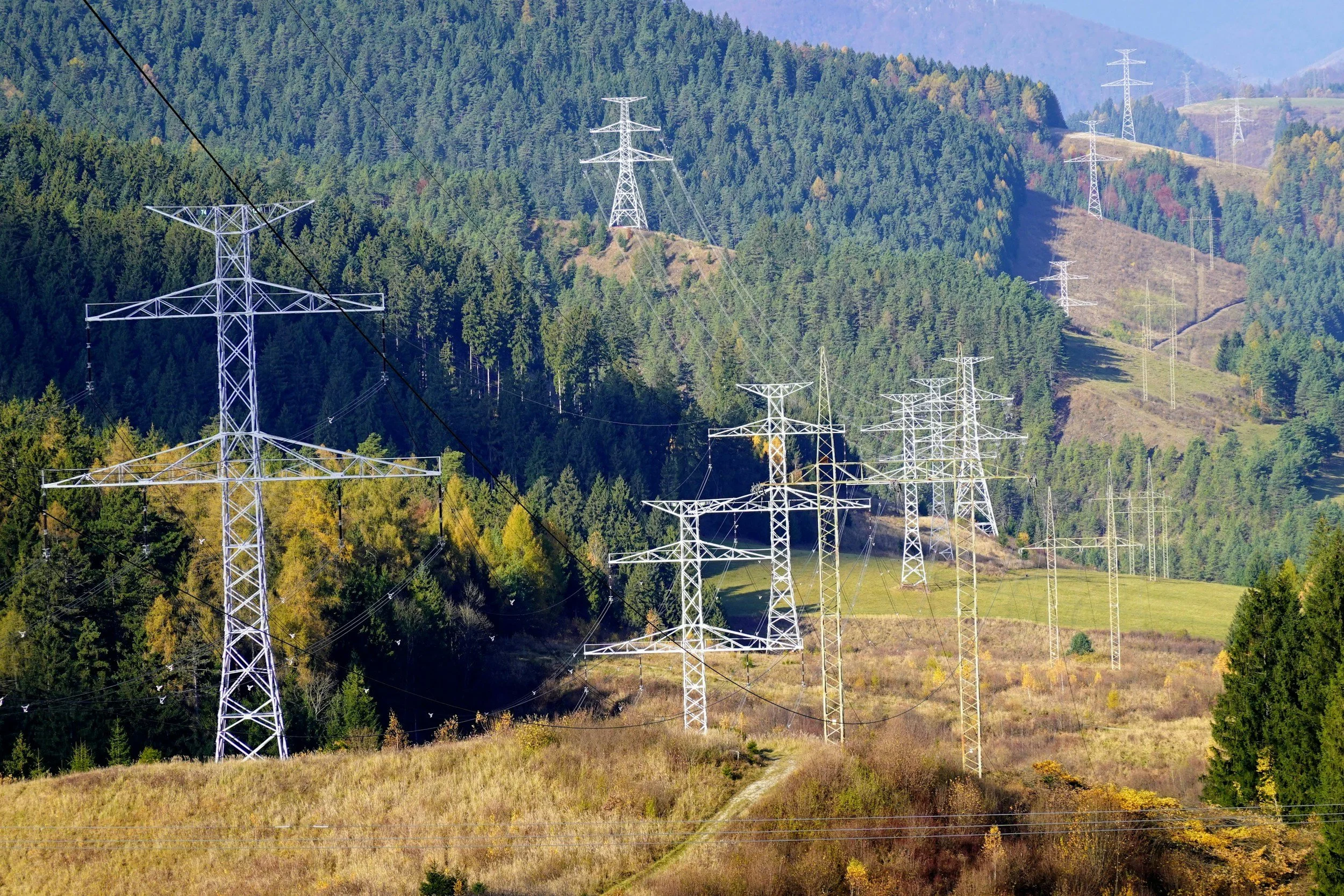
These advances could benefit far more than offshore wind, supporting solar energy, electric vehicles, homes, businesses and the national grid.
Offshore wind is also increasingly linked to green hydrogen, where spare renewable electricity can create clean fuel for harder-to-electrify industries. It could also support carbon capture and storage (CCS) by providing the clean power needed to trap or remove carbon from the atmosphere.
This makes offshore wind more than a renewable energy source: it becomes a launchpad for smarter storage, cleaner fuels and the next generation of sustainable technologies.
Sustainability as a Business Advantage
These sustainability practices can strengthen offshore wind not only as an energy source, but as an industry and investment opportunity.

Faster Permitting, Faster Delivery
Sustainability can improve the development pipeline by reducing planning and permitting risk.
Offshore wind farms that include nature-positive design, biodiversity protection and stronger stakeholder engagement are less likely to face objections, delays or legal challenges.
This matters commercially because delays increase costs, weaken investor confidence and slow the route to revenue.
If environmental benefits are built into projects from the beginning, they become more than ethical commitments; they become practical risk-management tools.
In this sense, sustainability can turn environmental value into tangible time-frame reductions, smoother approvals and faster delivery.
ESG and Lower Investment Risk
Sustainability also makes offshore wind more attractive as a lower-risk investment through ESG compliance.
ESG refers to environmental, social and governance standards, which investors increasingly use to judge whether a project is financially responsible and future-proof.
Offshore wind is already well positioned because it supports decarbonisation, energy security and long-term infrastructure growth. Stronger sustainability practices make the sector even more investable by reducing reputational, regulatory and environmental risk.
For investors, this improves confidence that projects will remain aligned with future policy, public expectations and green finance requirements.
Corporate Buyers and Long-Term Returns
Sustainability can also attract major corporate buyers through Corporate Power Purchase Agreements, or CPPAs.
These are long-term contracts where companies, often large technology firms, agree to buy renewable electricity directly from a project or developer.
For businesses with net-zero targets, buying genuinely green and sustainable power is becoming a commercial priority.
Strong sustainability credentials can therefore make offshore wind projects more appealing to corporate buyers and improve bankability.
These agreements help support final investment decisions by giving developers clearer future revenue streams. For investors, that means more predictable cash flow, stronger long-term returns and a more secure investment case.
From Turbines to Transformation
Debates will continue over the viability and necessity of offshore wind, including whether it is a strategic investment or an expensive gamble.
Regardless, the UK is aiming for around 50GW by 2030, and the often-overlooked change is how the industry itself is evolving into a sustainability leader. Through innovation, environmental design and new technologies, offshore wind is beginning to influence far more than electricity generation alone.
Quietly, in the background, it is helping to build a cleaner and more resilient energy system. Offshore wind will still face challenges, but its direction of travel is clear: it is becoming cleaner, smarter and more commercially attractive.
Its future value lies not only in the power it produces, but in the sustainable industrial transformation it can drive.