Our EV future: Giving every driver a sense of belonging
In January 2019, I found myself in Oslo, running late for an appointment on the outskirts of the city. As my Uber pulled up, I noticed that it was a Telsa, a novelty for me, used to the black cabs of London.
Even more of a novelty was being able to use the HOVs (lanes designed for high-occupancy vehicles), an incentive for Norway’s 4.3 million strong passenger car owners to switch to Electric Vehicles. Now reaching my destination early, I stepped out of the car and noted that there were well lit charging points under streetlights, very welcome on a dim snowy Oslo morning when daylight had yet to peep over the horizon.
Norway chose to apply import duties on top of ICE (Internal Combustion Engine) cars while skipping these on EVs. Every new build is required to fit an EV charging point or be install ready. On reflection, it is no wonder that Norway has been leading the change to EV ownership.
Government policies, city council, and local authority initiatives are key, not only in making the change a viable option for drivers but making the change worthwhile on a continued day-to-day basis, contributing to nudging those drivers who really need the incentives to move over to EV ownership.
While car manufacturers and charging point companies can promote the benefits of EVs, enhance features, and make it easier and quicker to charge vehicles, it is the power of government policies and local authorities that can make drivers (and passenger) feel considered in their environment.
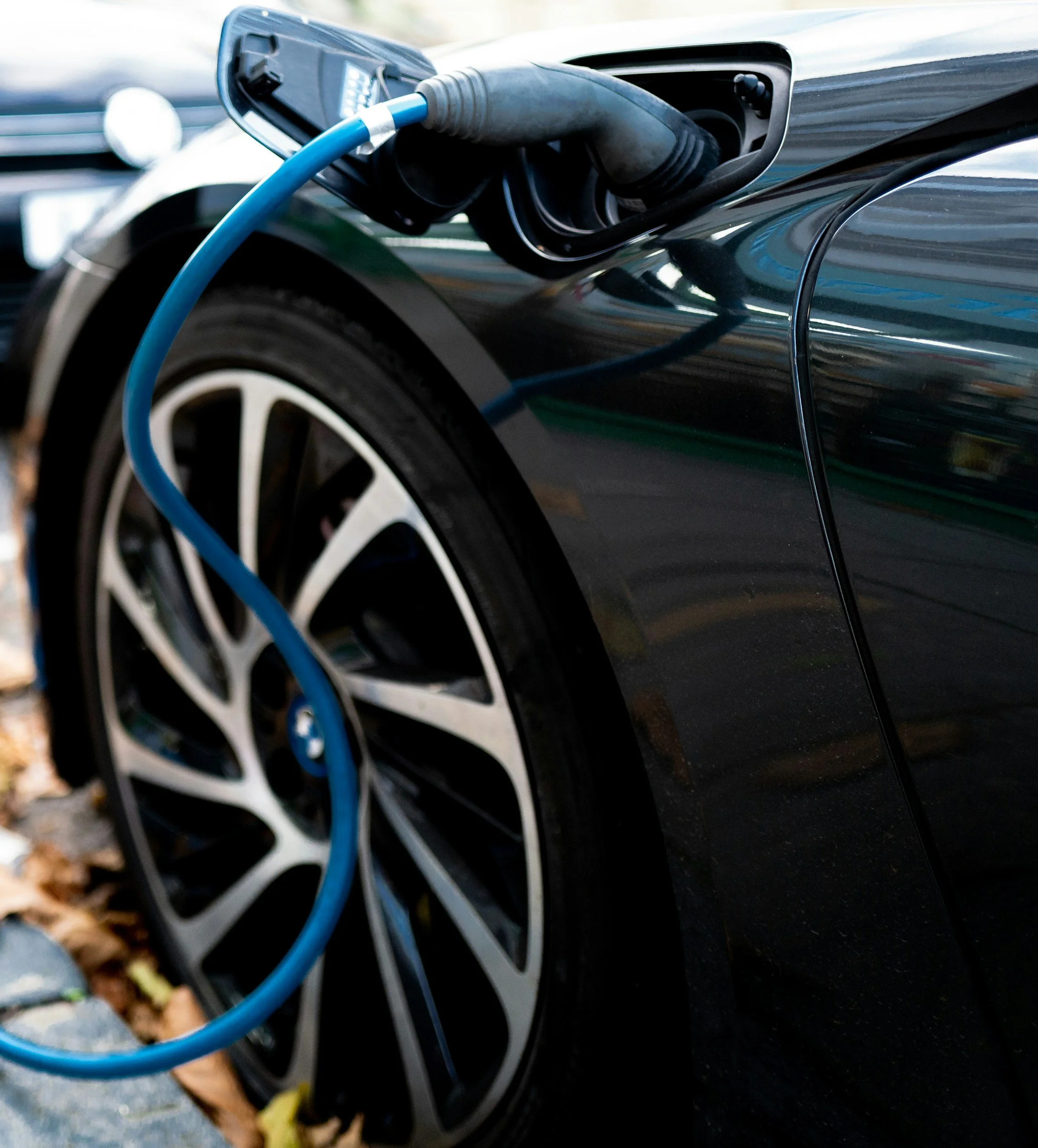
The UK Story
Coming home to London, I had high hopes. As a progressive nation, we would follow suit in terms of EV adoption.
After all, the UK set an aggressive target to reduce carbon emissions by 68% on 1990 levels by 2030 under the Paris Agreement.
Seven years on, 96% of all new car sales in Norway are pure EVs. In the UK, the percentage is 23.4%.
The number of new cars sold is just part of the picture, since car replacement cycles reveal that 31% of cars on the road in Norway are EV and 5.4% in the UK.
While the sale of EVs has reached a record high, it is nowhere near the ambitious government target set for EV adoption to meet our Net Zero commitments.
In fact, the UK has just 4 years before new ICE car sales will stop and 9 years for new Hybrid cars. So why are we lagging behind, not only other countries like Norway, but our own ambitions.
Why the Slow Adoption?
A few factors are at play, and they hark back to why EV adoption has been successful elsewhere.
The cost of an EV is still perceived to be high.
Government policy has changed with schemes ceasing over the past few years, notably the £5k plug-in-car grant for cars priced under £32000, which ended in 2022. Figures show that sales of EVs were down in 2023 and 2024 which has eaten into our Net Zero targets.
A new grant scheme of £3750 for cars priced under £37000 was announced in 2025.
Although the cost of a new EV is dropping year on year, especially with new challenger brands like BYD and Omoda by car manufacturer Chery Automobile, moving into the UK market, more awareness is key to breakdown the no.1 barrier to EV adoption.
Local authorities are facing budget challenges and slow access to government funding in helping to rollout charging infrastructure. This remains one of the biggest barriers with 75% of councils saying that they face budget restraints affecting the rollout of public EV charging points.
Large scale rollouts of public charging points and supporting infrastructure is key in addressing range anxiety which also tops consumers concerns. Although automotive manufacturers have significantly advanced battery performance, concerns remain regarding the implementation of charging infrastructure, individual range requirements, and the impact of winter conditions on battery performance.
These three factors combined are deterring a key but often underrepresented cohort in the success of EV adoption.
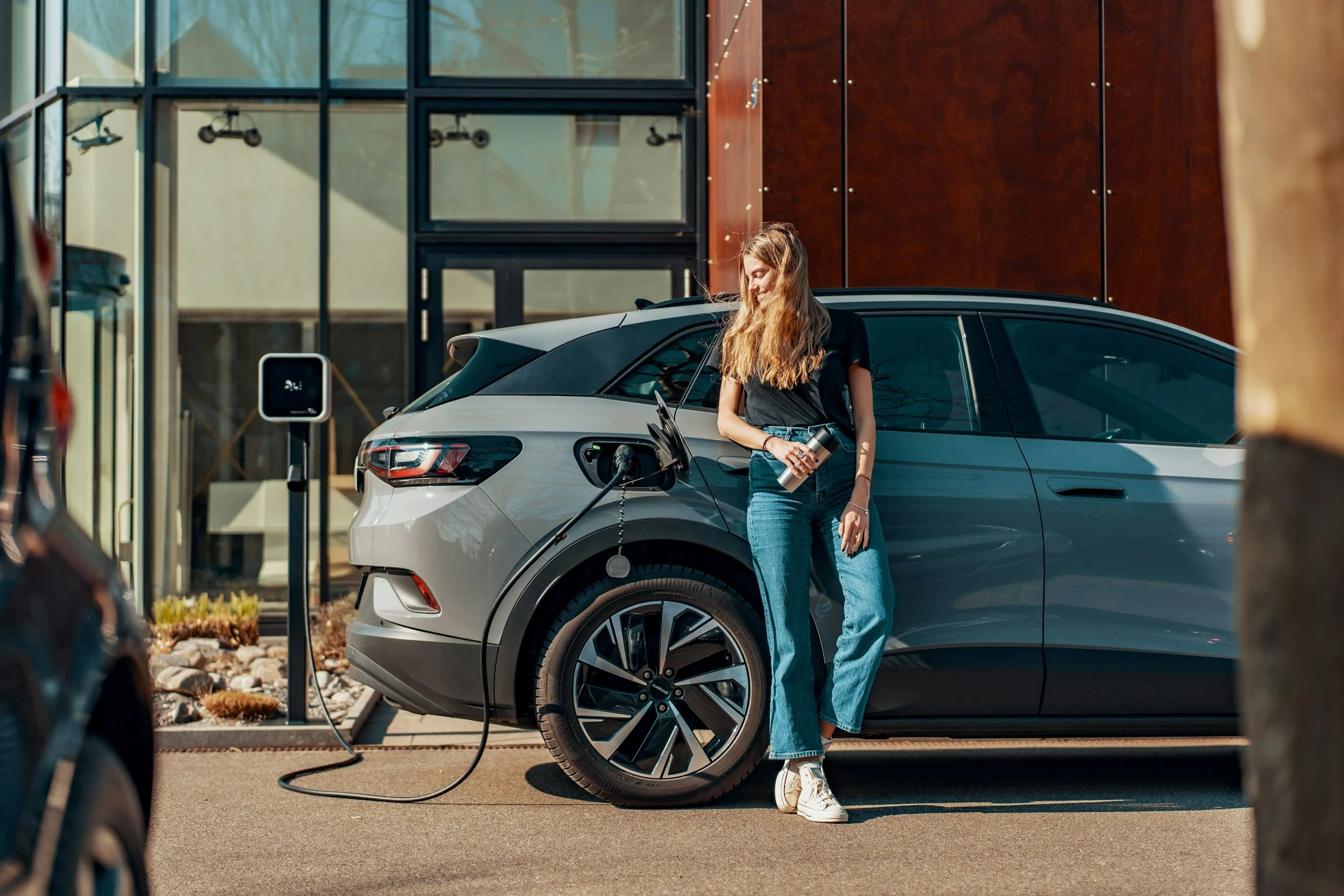
Powering Equality
Women make up nearly half (or 19.7million) of the total number of licence drivers in the UK.
They account for nearly 50% for of all new car sales and are the influencer in the buying of the family car, making up 85% of car buying decisions. Yet they represent ONLY 1/3 of EV drivers.
Their main concerns are ones that government and local authorities as well as car manufacturers are key in addressing to convince them to make the switch.
No woman wants the worry of charging her car late night at a poorly lit empty charging point. The development of appropriately located fast charging infrastructure is also crucial, as demonstrated by its role in the successful adoption of EVs in Norway.
The government’s commitment to installing 100,000 new charge points across England will help reduce range anxiety, a leading concern among female drivers.
This compared to the 78,000 nozzles for all 35 million vehicles on UK roads. However, the placement of this infrastructure also matters. For example, with a higher proportion of women living in social housing, charging solutions must extend beyond forecourts and car parks to include residential estates, ensuring that overnight charging is accessible to those without private driveways.

What Needs to Happen?
The awareness of new schemes such as car grant and charger rollouts schemes needs to reach women where they live their daily lives beyond their places of work or home.
At the school gates and nursery drop-offs, when going to a gym session or yoga class or local supermarket to do the weekly shop, in lifestyle focused publications, at the GP surgery or local pharmacy or library.
Safety, ease of use, convenience, cost and a car that effortlessly fits into daily life without causing concern is at the forefront of women’s minds when making the decision.
Women also need to feel that they belong in car showrooms. A recent survey by Citroen UK found that only 25% of women feel comfortable asking for help and 55% felt patronized in a car dealership when shopping.
Research shows that just 12% of women prioritise gadgets and technology when deciding on a new car yet this has been the traditional focus of marketing and sales pitches.
It is not that female drivers are less technical, but that female drivers tend to focus first on the benefits that technical advances or enhanced features bring, such as safety, ease of use in daily life, ease of driving experience and potential cost savings of running an EV vs the cost of petrol or diesel within the family budget.
Though nine years may not seem long for drivers to adopt EVs, progressive and supportive government policies and industry focus are helping to accelerate the shift. Data led knowledge can help consumers make informed decisions on the switch to EV.
Industry enthusiasm is growing rapidly, with more companies supporting electric vehicles and events like Global Women in EV Day highlighting awareness.
Latest brands are entering the market. If a snowy country can successfully embrace the EV transition, the UK can as well.
Stay connected with our Wednesday Windows into the Sustainability World, right here and on LinkedIn, as we continue sharing insights in 2026.
Therese Landy is COO at EV Serious, whose mission is to make going electric effortless helping both consumer and industry, by using personalisation and real-world data in multi-model detection and transport specific AI.