The Summer of 2026: Why Climate Change is Now a Business Reality
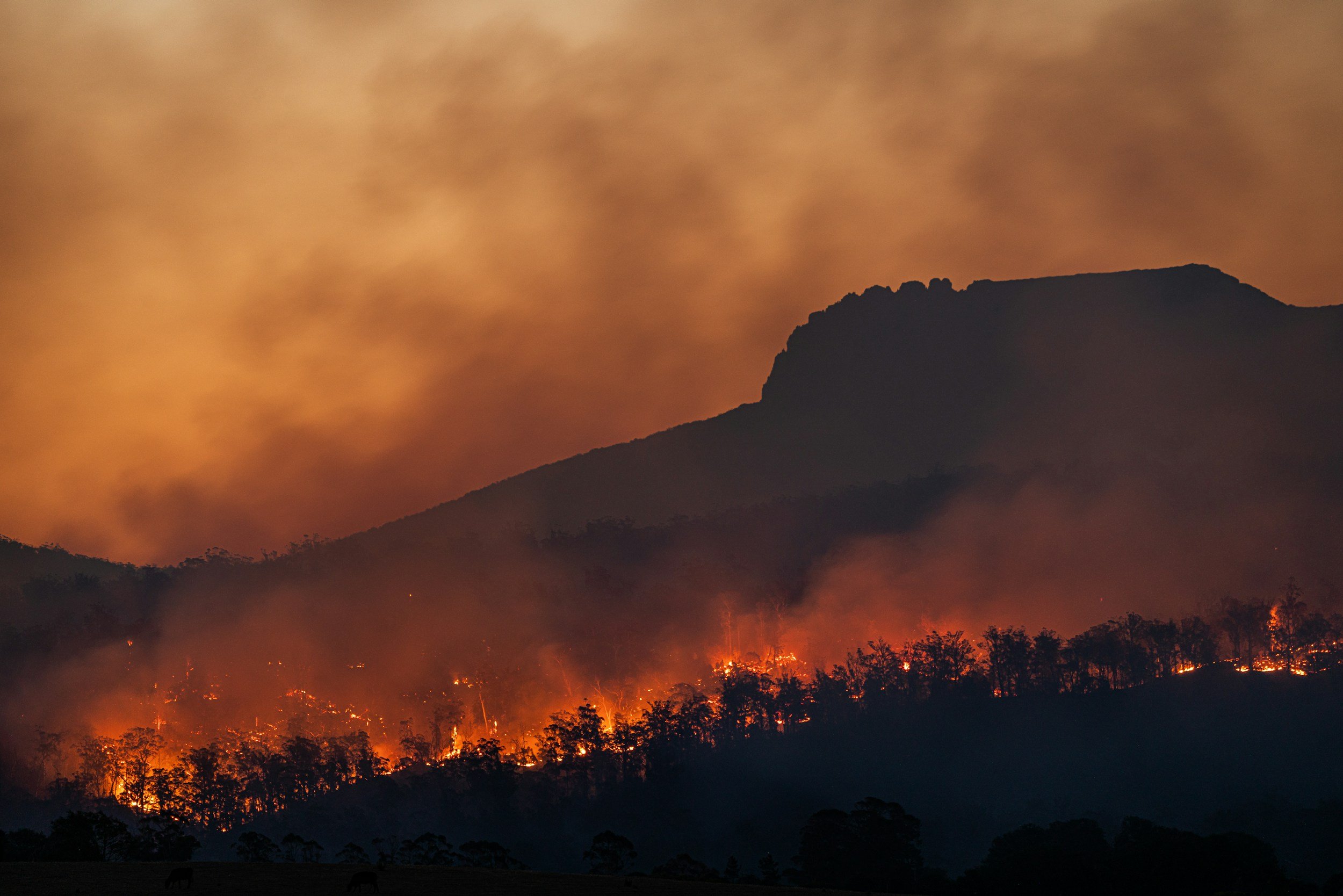
The summer of 2026 will be remembered as more than a season of record-breaking temperatures. Across Europe, extreme heat disrupted energy systems, strained infrastructure, increased operational costs, and highlighted the growing financial and operational risks that climate change poses to businesses.
For many organisations, these events were a clear reminder that climate risk is no longer a future concern. It is a present-day business challenge that demands action.
What the Data Shows
According to the Copernicus Climate Change Service, western Europe experienced its warmest June on record in 2026, with average temperatures 3.06°C above the 1991–2020 average.
Europe as a whole recorded its second-warmest June since records began in the ERA5 dataset, while numerous countries experienced record-breaking daily maximum temperatures. Large parts of France, Germany, Spain, Italy and the Benelux countries recorded temperatures between 3°C and 5°C above average.
While extreme weather events have always occurred, climate science shows that rising global temperatures are increasing the frequency, intensity and duration of heatwaves.
Why Businesses Should Care
Extreme heat affects nearly every aspect of business performance.
➲ Workforce productivity and wellbeing
High temperatures increase the risk of heat stress, fatigue and reduced productivity for employees working outdoors or in facilities without cooling. Organisations also face higher absenteeism.
➲ Energy costs and business continuity
One of the clearest impacts of the 2026 heatwaves was on Europe's electricity markets. Demand for cooling increased significantly while some electricity generation technologies became less efficient in extreme heat. As a result, summer electricity prices reached levels more commonly associated with winter.
➲ Supply chain resilience
Climate-related disruption extends well beyond individual facilities. Heatwaves can reduce agricultural yields, disrupt transport networks, constrain manufacturing processes and increase pressure on water resources. Organisations with complex international supply chains may face production delays, higher procurement costs and greater uncertainty as climate impacts become more frequent.

➲ Infrastructure and physical assets
Extreme heat also places critical infrastructure under increasing stress. Roads, railways, warehouses, industrial equipment and data centres can all experience reduced performance during prolonged periods of high temperatures.
Businesses that rely on uninterrupted operations must increasingly consider physical climate risks within their long-term investment and resilience planning.
A Business Case Study: Europe's Energy System Under Pressure
The summer of 2026 provided a powerful example of how climate risk can create cascading business impacts.
As temperatures increased across Europe, electricity demand rose sharply due to greater use of air conditioning and cooling systems. At the same time, parts of the energy system became less efficient. High river temperatures and reduced water availability affected cooling for some nuclear power stations, while drought conditions and lower river levels disrupted electricity generation and transport in several countries.
The result was a combination of higher electricity prices, increased market volatility and greater pressure on businesses dependent on reliable and affordable energy. In many regions, organisations faced higher operating costs at the very time they were trying to maintain productivity during extreme weather conditions
Sustainability Is Also About Resilience
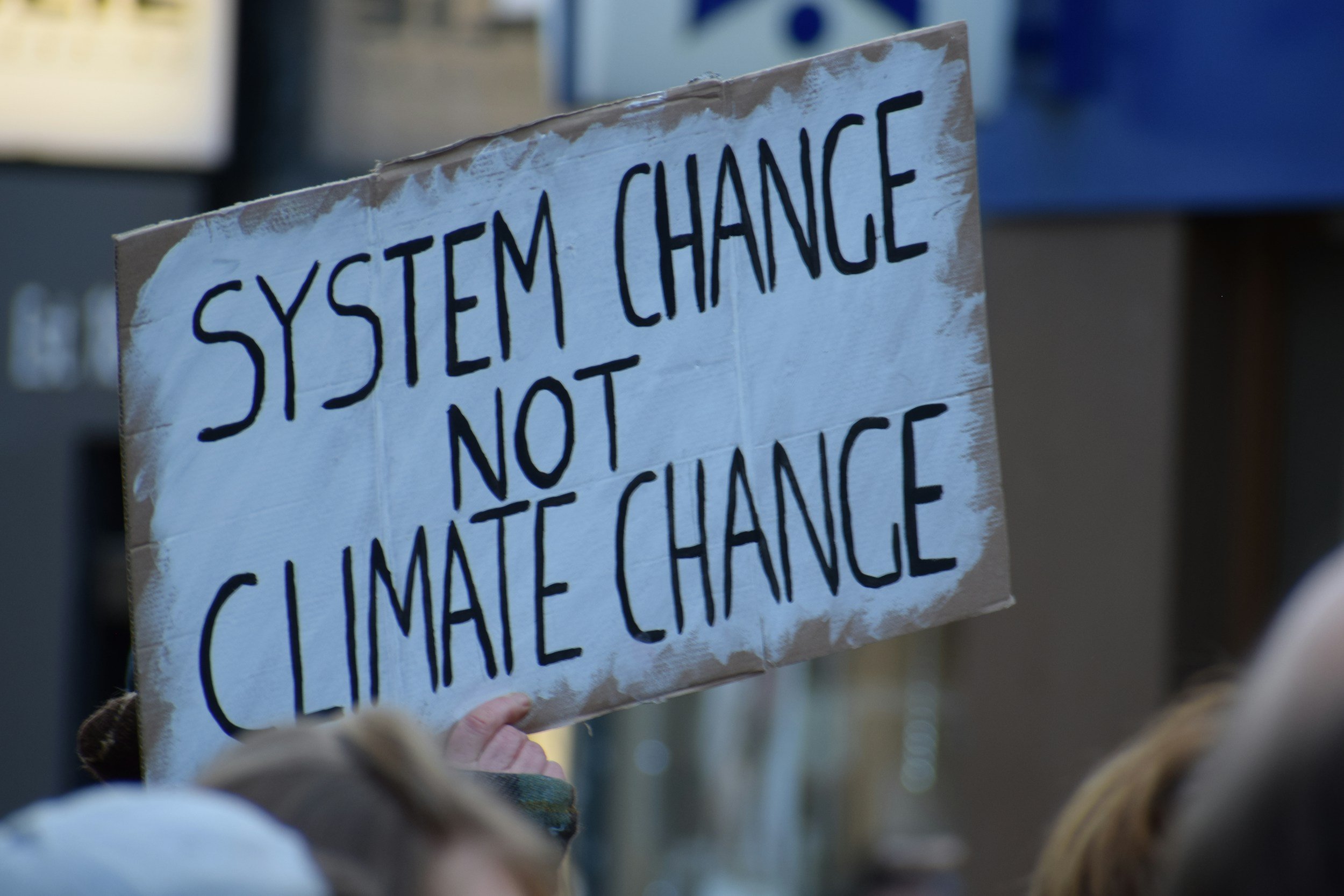
Sustainability is often associated with reducing greenhouse gas emissions, but the events of 2026 demonstrate that it is equally about building resilience.
Businesses that understand their climate risks are better positioned to anticipate disruption, protect their workforce and maintain operational continuity. Climate adaptation is no longer separate from business strategy; it is becoming an essential component of risk management and long-term competitiveness.
This includes integrating climate considerations into enterprise risk management, assessing exposure to physical climate risks, improving energy efficiency, strengthening supply chain resilience and aligning sustainability reporting with recognised disclosure frameworks.

Preparing for a Changing Climate
While no organisation can eliminate climate-related risks entirely, businesses can significantly improve their resilience by taking practical action today. Key priorities include:
➲ Conducting climate risk and vulnerability assessments.
➲ Improving energy efficiency and reducing operational emissions.
➲ Investing in renewable energy where feasible.
➲ Developing heat resilience and business continuity plans.
➲ Diversifying suppliers to reduce climate-related supply chain risks.
➲ Protecting employees through effective heat-health measures.
➲ Integrating climate risks into governance, strategy and ESG reporting.
Looking Ahead
The summer of 2026 was not an isolated event; it reflected a broader trend of increasingly frequent and intense climate-related disruptions. For businesses, the lesson is clear: climate risk is no longer an abstract environmental issue but a strategic business consideration that affects operations, costs, people and long-term resilience.
Organisations that act now by embedding sustainability and climate resilience into their decision-making will be better equipped to navigate future uncertainty and create lasting competitive advantage.