Forget the Green Label: ‘Half-Hourly Data’ is Where Sustainability Really Happens
When a UK business commits to a 100% renewable electricity tariff, they are not singlehandedly getting green electrons just from a wind farm or a solar panel. The grid does not operate like that, regardless of how clean the energy is, it still mixes with non-renewable sources; there is no physical separation between the two once electricity enters the network.
What is being purchased is a REGO. A Renewable Energy Guarantee of Origin. Ofgem issues one REGO for every 1 MWh of renewable electricity generated anywhere on the grid. Energy suppliers buy these certificates and retire them against customer consumption, allowing them to make a legitimate "100% renewable" claim on paper.
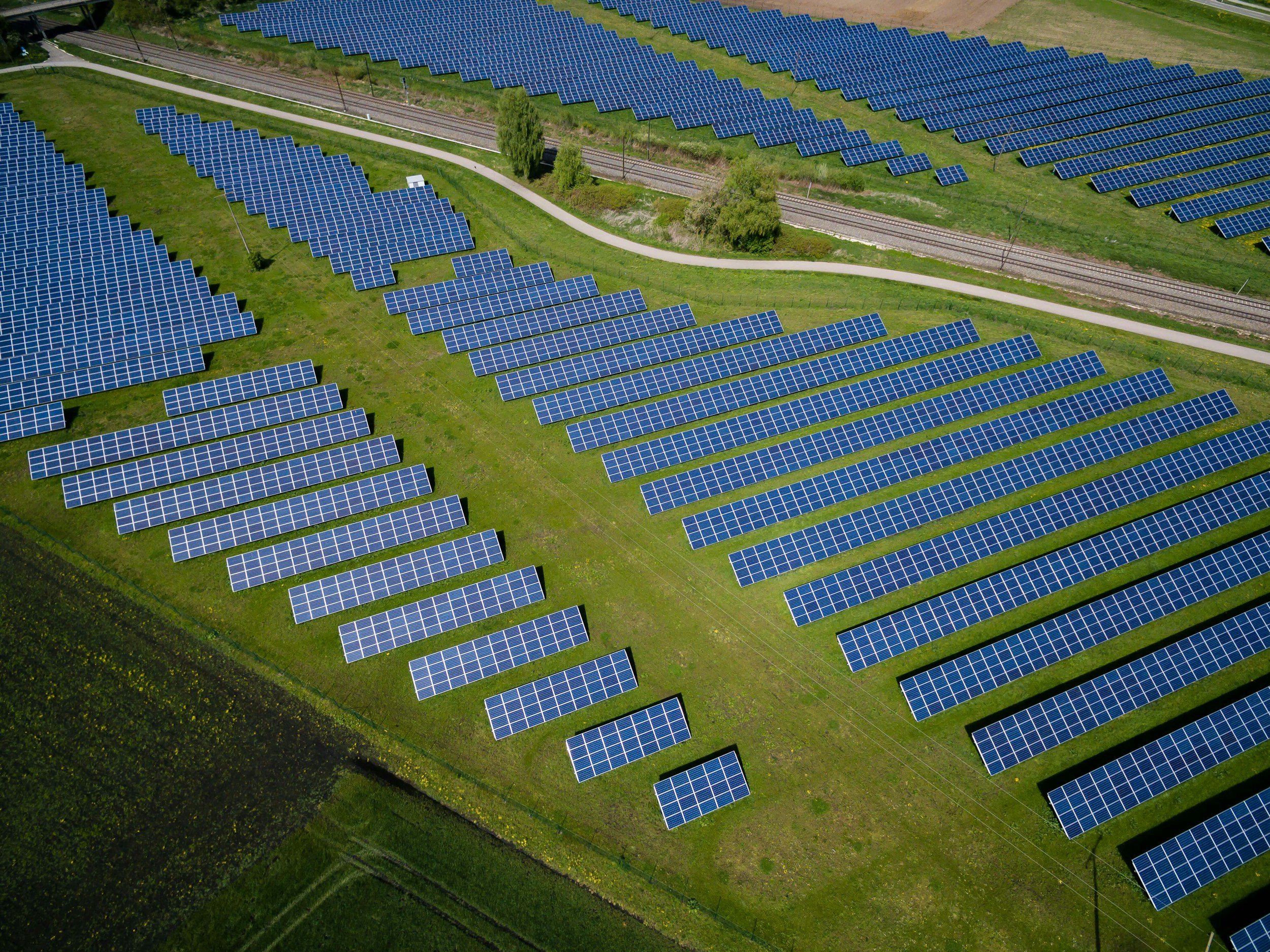
What Are Businesses Paying For?
This is where financial gain and ethical practice start to clash. REGOs can be bought and sold separately from the electricity they represent.
A supplier can purchase non renewable, fossil-fuelled energy on the wholesale market and then buy the equivalent volume of REGO certificates, legally labelling that exact same energy as 100% renewable.
The electricity itself stays the same, it hasn't suddenly become green because a certificate was attached to it after the fact. Only the paperwork has changed.
This isn't a fringe loophole either. It's structurally how most green tariffs in the UK are built, which is why businesses serious about sustainability need to look beyond the label and start asking what's actually happening with their own energy use.
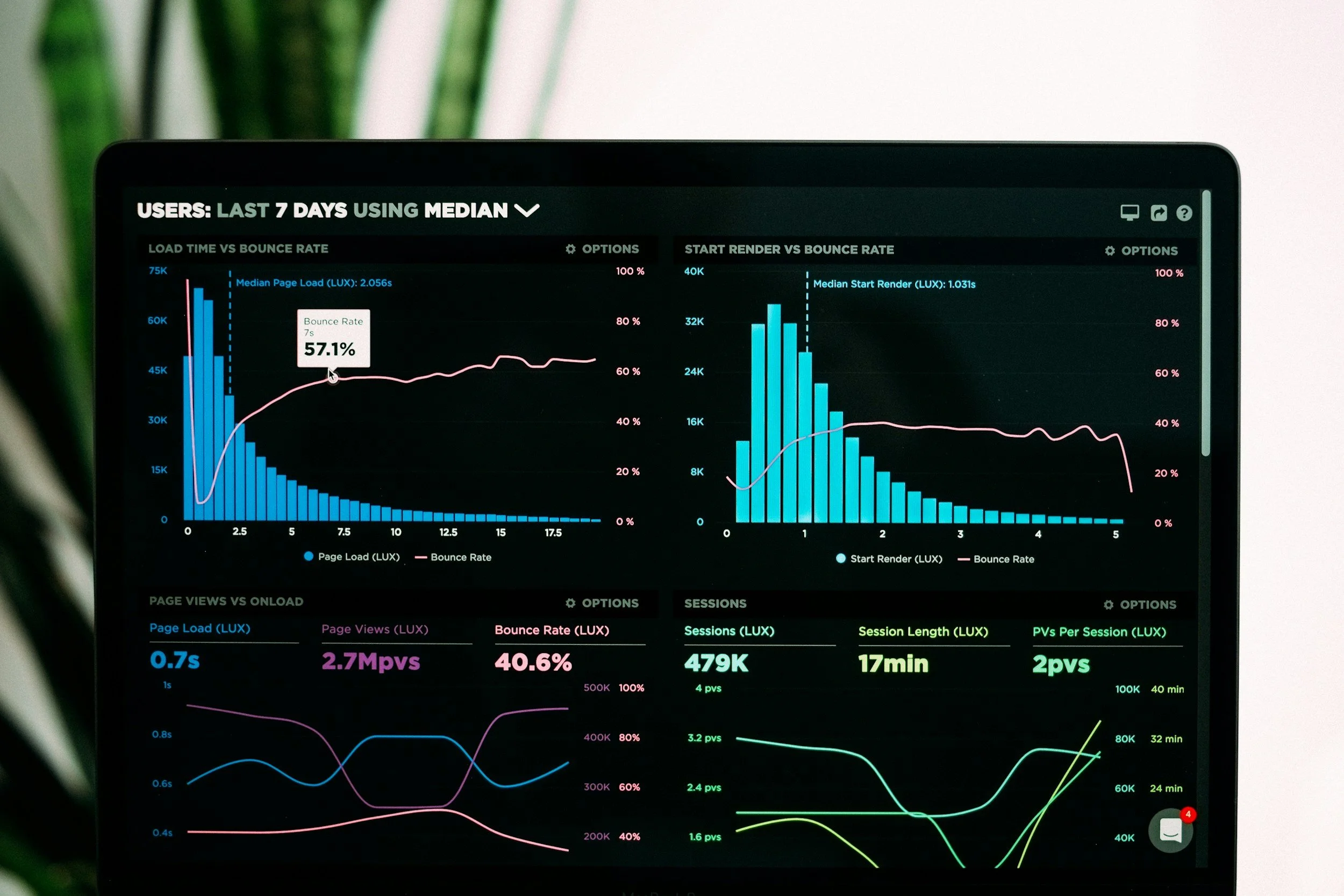
Half Hourly Data
This is the other side of the Sustainability Equation
If REGOs are about what energy is claimed to be, half-hourly (HH) data is about when and how much energy a business is actually using, and this is where companies have far more genuine control over their sustainability outcomes than any certificate can offer.
HH metering records electricity consumption in 30-minute intervals across every day of the year, rather than the single estimated read a traditional profile-class meter produces.
For any site with a half-hourly meter, mandatory for larger consumers and increasingly common across SMEs as smart meter rollout continues, this granular data isn't just a billing input. It's a genuine sustainability tool.
A few reasons this matters, financially and environmentally:
1- It exposes carbon intensity peaks
The UK grid's carbon intensity shifts significantly throughout the day depending on the generation mix; gas-heavy during low wind periods, much cleaner when wind and solar output is strong.
A business consuming heavily during a 6pm peak, when gas plants are typically dispatched to meet demand, has a meaningfully different carbon footprint than one using the same total kWh overnight when wind generation dominates. A monthly bill hides this completely. HH data reveals it instantly.
2- It enables genuine demand-side response
Once a business can see its true consumption shape, it can shift flexible loads. Refrigeration cycling, EV charging, battery discharge, non-critical processes. Away from carbon-intensive, expensive peak periods and into cheaper, cleaner off-peak windows.
This is something a REGO purchase can never deliver. It's an actual operational change in when electricity is drawn from the grid, not a certificate bought after the fact to dress up consumption that hasn't changed at all.

3- It supports time-matched, 24/7 renewable contracts
As the market matures, suppliers are increasingly offering time-matched tariffs, where consumption is matched against renewable generation in the same half-hour it occurred, rather than averaged out annually.
A business can only access or meaningfully benefit from this if it already has the HH visibility to understand and adapt its own load profile in the first place.
4- It strengthens the credibility of carbon reporting
Under emerging "24/7 carbon-free energy" standards, businesses are increasingly expected to demonstrate hour-by-hour matching between consumption and clean generation, rather than relying on annual, grid-average offsetting.
HH data is the only realistic mechanism that makes this kind of granular, defensible disclosure possible.

5- It often pays for itself
Cost savings happen before sustainability even enters the conversation.
Many businesses sitting on HH data have never actually looked at it beyond the bill total.
Once analysed, it routinely surfaces avoidable demand charges, poor contract structuring, or unnecessary consumption during high-cost periods. Savings that exist independently of any environmental motive, but which happen to align with it.
In short: REGOs answer the question "can we claim renewable energy?" HH data answers the much harder and more useful question, "are we actually using energy responsibly, and can we prove it?"
For businesses serious about sustainability rather than just the label on their contract, the second question is where the real work, and the real savings happen.