London Climate Action Week 2026: What you need to know
Every year, the global sustainability community gathers at major moments in the climate calendar. COP remains the headline event, where governments negotiate and discuss climate policy and international commitments. Yet for many sustainability professionals, investors, businesses and innovators, some of the most important and genuinely useful conversations happen elsewhere.
London Climate Action Week (LCAW), taking place from 20-28 June 2026 this year, has become one of those defining moments.
Launched in 2019, LCAW began as an ambitious effort to harness London’s unique strengths in finance, innovation, policymaking and civic engagement to accelerate climate action. In just seven years, it has evolved into one of the world’s most influential climate convenings outside of the annual COP summits.
Today, the week long event brings together thousands of participants from across business, finance, government, academia and general society. From climate-tech start-ups and institutional investors to policymakers and sustainability leaders, LCAW provides a unique opportunity to explore how climate ambition is being translated into real world action.
What makes LCAW particular significant is its focus on implementation. While international climate summits often centre on commitments and negotiations, LCAW focuses on delivery. It is where organisations discuss how to finance the transition, scale innovation, build resilience and turn net-zero targets into measurable outcomes.
As climate action enters a more complex and economically significant phase, London Climate Action Week has become one of the most influential gatherings for understanding where the sustainability agenda is heading next.
At a time when the UK sustainability landscape is navigating policy shifts, commercial pressures and growing uncertainty, the event offers a valuable moment of clarity. It provides space for practitioners to reconnect with the practical direction of travel and regain momentum around what climate action looks like in practice.
More than a Conference
Unlike traditional conferences, London Climate Action Week is a city-wide movement.
Events take place across London, from boardrooms and conference centres to universities, cultural venues and community spaces. Whether by design or by nature, this decentralised format reflects a broader reality: climate action can no longer be contained within environmental departments or policy circles, but now cuts across every part of society and the economy.
It now touches every part of society, from financial markets and infrastructure to healthcare, technology, food systems and urban planning.
The growth of London Climate Action Week reflects the wider evolution of climate action itself. In 2019, many organisations were still focused on setting targets and defining net-zero ambitions. By 2026, the conversation has shifted towards implementation, resilience, accountability, and integrating all of this with finance. A key step forwards.
As the climate agenda has matured, so too has London Climate Action Week, evolving from a forum for discussion into a platform for action.
The diversity of participants is one of the week's greatest strengths. Investors can engage with climate-tech entrepreneurs. Corporate sustainability teams can exchange ideas with policymakers. Local communities can share perspectives alongside international organisations.
It is these intersections where some of the most valuable discussions are generated, revealing opportunities and challenges that might otherwise remain siloed.
For sustainability professionals, the week provides a rare chance to see how different sectors are approaching the same transition challenge from different perspectives.
London at the Centre
London's role as host city is no coincidence.
The capital occupies a unique position at the intersection of global finance, policymaking, innovation and research. Home to major financial institutions, multinational corporations, world-leading universities and a thriving startup ecosystem, London has become one of the world's most important centres for sustainable finance and climate innovation.
As governments increasingly rely on private investment to accelerate decarbonisation and resilience, London's financial influence makes it a natural convening point for discussions about the future of climate action.
This is particularly relevant in 2026. Climate conversations are no longer focused solely on emissions reduction. They are increasingly shaped by questions of economic competitiveness, industrial strategy, energy security and resilience. The organisations leading the transition are no longer viewing sustainability as a standalone agenda but as a core driver of business value and long-term growth.
That shift is likely to define many of this year's discussions.

The Key Themes Shaping LCAW 2026
There a hundreds, if not thousands of talks, seminars, networking and micro-events covering a multitude of themes during the week. I myself already have a jam-packed diary of climate-related fun.
While the programme spans a wide range of topics, several themes are expected to dominate conversations throughout the week:
1: From Ambition to Delivery
The sustainability sector has spent much of the past decade setting targets. Now, attention is turning towards implementation.
Investors, regulators and stakeholders increasingly want evidence of progress rather than promises. Organisations are under pressure to demonstrate credible transition plans, measurable emissions reductions and tangible outcomes.
Across London Climate Action Week, discussions are expected to focus on execution, accountability and the practical realities of achieving net-zero goals.
2: The Rise of Climate Competitiveness
One of the most significant shifts in climate discourse is the growing recognition that sustainability and economic growth are not opposing forces.
Governments and businesses are increasingly framing climate action as a driver of competitiveness, innovation and investment. Clean energy, electrification, advanced manufacturing and climate technology are becoming central pillars of industrial strategy.
This evolving narrative is likely to be a major theme throughout the week, particularly as countries compete to attract investment in the industries of the future.
3: A Spotlight on Adaptation
For years, much of the climate conversation focused on mitigation. Today, adaptation is becoming impossible to ignore.
Extreme weather events, supply chain disruptions and infrastructure vulnerabilities are forcing organisations to consider how they will operate in a changing climate. Discussions around resilience finance, climate risk and adaptation planning are expected to feature prominently throughout the programme.
For many sustainability professionals, adaptation may prove to be one of the most important themes of the week.
4: Financing the Transition
Despite growing momentum, financing remains one of the greatest challenges facing climate action.
How can trillions of pounds of capital be mobilised to support the transition to a low-carbon economy? What role should financial institutions play? How can investment reach emerging technologies and vulnerable communities?
These questions sit at the heart of many London Climate Action Week events and continue to shape the future of sustainable finance.
Key Events and Highlights Not to Miss
With hundreds of sessions taking place throughout the city, choosing where to spend time can be difficult, and often comes down to what events are most relevant for your industry and interest. However, several flagship events consistently stand out, and will define this LCAW. As always, they include:
Climate Innovation Forum
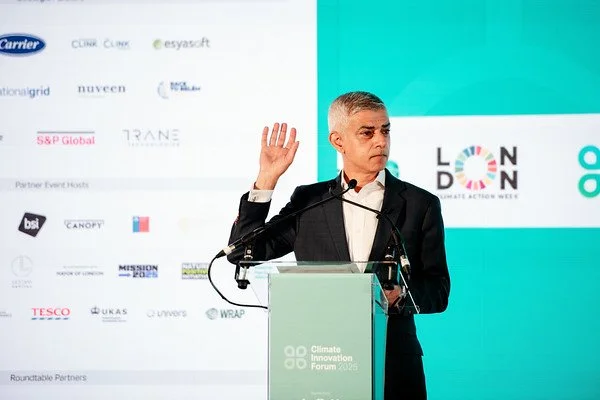
The Climate Innovation Forum remains one of the week's most influential gatherings. Bringing together senior leaders from business, government, finance and civil society, it serves as a platform for discussing the partnerships, investments and innovations needed to accelerate climate action.
Major announcements and strategic discussions frequently emerge from the forum, making it essential for those seeking insight into the broader direction of climate leadership.
Reset Connect London
Among the most significant business-focused events during London Climate Action Week is Reset Connect London.
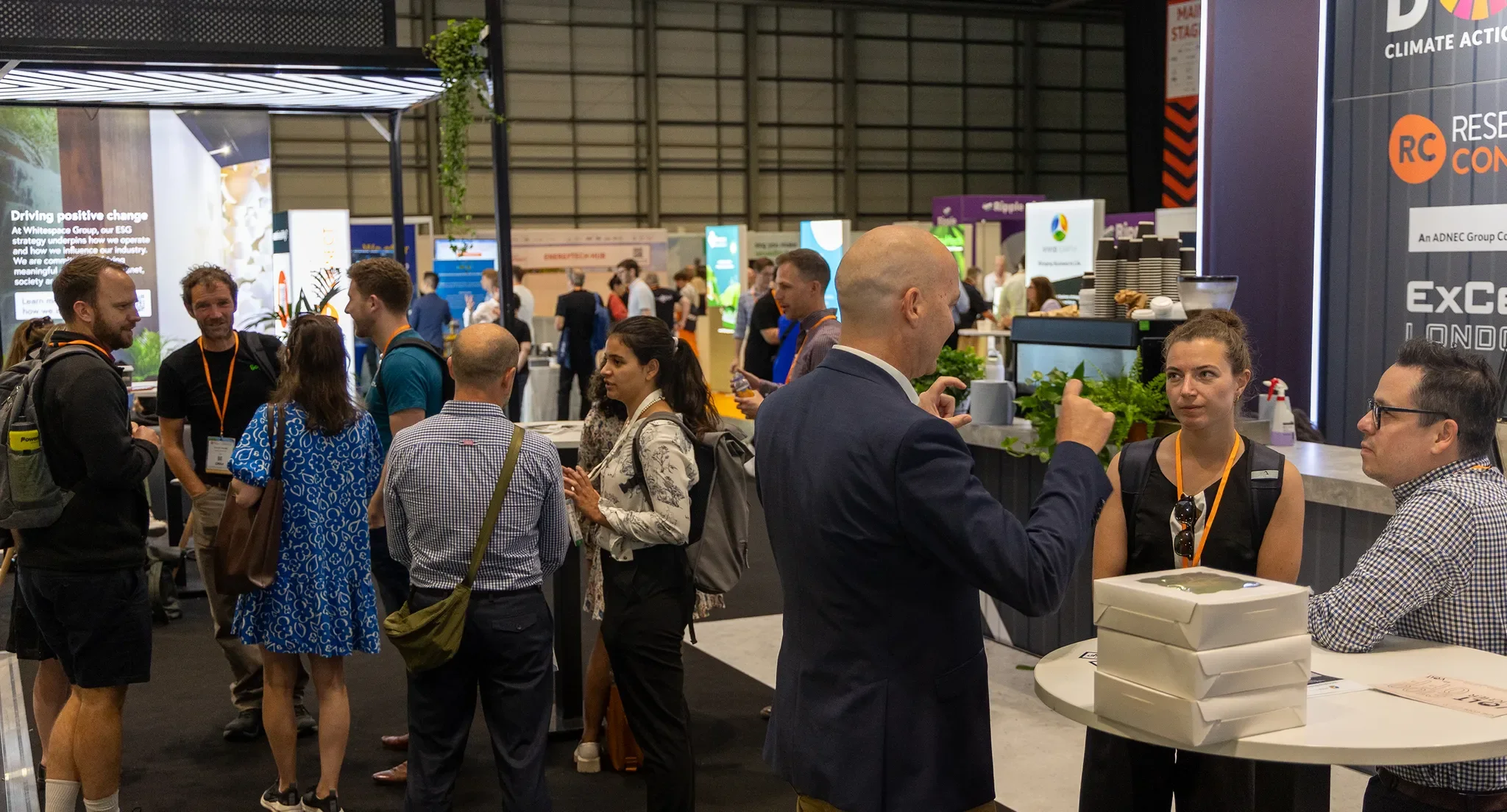
The UK's largest sustainability and green investment event, Reset Connect convenes corporate leaders, investors, policymakers, entrepreneurs and innovators to explore the practical realities of delivering sustainable transformation.
Its combination of exhibition spaces, investor forums and expert-led discussions provides a valuable overview of the technologies, solutions and business models shaping the future of the transition economy. For sustainability professionals looking beyond policy discussions and towards implementation, it offers a particularly useful perspective on where innovation and investment are converging.
Opportunity Summit
.
Hosted by Climate Group and partners, the Opportunity Summit focuses on the economic opportunities created by climate action.
Discussions around clean energy, industrial competitiveness and sustainable growth are expected to be particularly relevant as governments and businesses seek to balance climate goals with economic priorities.
State of Climate Politics Forum
Climate action is increasingly influenced by geopolitics, public opinion and economic uncertainty. The State of Climate Politics Forum provides valuable analysis of these forces, helping attendees understand the broader context shaping sustainability strategies around the world.
Climate Resilience Finance Summit
As adaptation becomes a growing priority, the Climate Resilience Finance Summit explores how investment can support resilience and risk reduction. For organisations grappling and understanding more and more about the impact of physical climate risks, this is likely to be one of the most relevant discussions of the week.

What to Take Away
The real value of London Climate Action Week lies not in any single announcement or headline.
Instead, it offers a snapshot of how climate action is evolving across sectors simultaneously. It reveals where investment is flowing, which technologies are gaining traction, how policy is shifting and what business leaders are prioritising.
For sustainability professionals, this perspective is invaluable.
The transition to a low-carbon and climate-resilient economy will not be driven by any one sector acting alone. Success will depend on collaboration between finance, business, government, technology providers and communities. London Climate Action Week provides one of the clearest examples of that ecosystem in action.
As the world moves beyond climate commitments and into the era of implementation, the conversations taking place across London this June will offer important clues about what comes next. For anyone working in sustainability, it is a week worth paying close attention to.