Scope 3: Emissions You Cant Afford to Miss
If carbon emissions were a sports team, Scope 1 and 2 would be the spotlight star players, scoring the goals and taking the limelight.
If sustainability teams were the pundits, Scope 1 and 2 would dominate the conversation. They have the best highlight reel, easy to explain, easy to measure, easy to control. Clear. Measurable. Familiar.
Meanwhile, Scope 3 is the unsung defensive leader. Not loud, not obvious, and not easy to explain. Yet, when viewed through a more nuanced lens, its influence is undeniable: Dominant and deeply impactful.
For those unfamiliar, Scope 1 emissions come directly from a company’s operations, like fuel burned in boilers or company vehicles, while Scope 2 covers the electricity, heat, or steam a company buys.
On the other hand, Scope 3 captures all other emissions across a company’s value chain (from suppliers to product use), making it far broader and more challenging to manage.
So the question is: Why is Scope 3 suddenly taking center stage, and what does that mean for businesses?

The Rise of Scope 3
More than ever, Scope 3 is starting to receive the attention it deserves, and for good reason.
It is undoubtedly becoming the defining frontier of credible climate action.
Globally, pressure from regulators, investors, customers, and supply chain partners is rapidly shifting.
The focus is, and will inevitably move, away from the easy-to-measure internal emissions (Scope 1 and 2) and toward the far more complex, sprawling impacts embedded across a company’s entire value chain.
Beyond regulatory and investor pressure, companies are discovering that proactively addressing Scope 3 not only strengthens their climate credentials but can also unlock broader financial and strategic benefits across the business.
Here’s the good news: While Scope 3 is undoubtedly challenging, it is absolutely manageable. For organisations that move early, it’s fast becoming a source of genuine competitive advantage.
So let’s break down why Scope 3 matters, why it’s so challenging, and what smart businesses are doing today to map the full scale of their value chain, and turn that insight into advantage?

The Full Scope
When most people think about carbon footprints, they picture energy use, vehicles, factories, or heating systems. Your classic Scope 1 and 2. These are emissions you own/control.
Scope 3 is the opposite. It is everything you rely on to run your business without directly controlling it yourself. This includes 15 distinct categories. Namely, these cover:
Purchased goods and services • Capital goods
Business travel • Employee commuting • Waste
Fuel- and energy-related activities • Investments
Upstream/Downstream transportation
Leased assets • Use of sold products
End-of-life treatment of sold products.
In (not so) short, it’s a far-reaching view of the emissions across your entire value chain.
In almost every sector, Scope 3 represents between 70% and 90% of a company’s total emissions, and for many companies, this number is even higher. Some vehicle manufacturers, for example, report that more than 95% of their emissions come from the use-phase of their vehicles rather than manufacturing.
However, in today’s overall sustainability landscape, ignoring Scope 3 is like measuring a company’s financials without looking at the expenditures, you only get a small fraction of the story.
A Scope 3 Paradox
What makes Scope 3 so tricky is also what makes it so important: it forces companies to look beyond their four walls.
A company’s value chain (suppliers, distributors, customers, and partners) contains the most material environmental impacts that a business is responsible for.
The core challenge is that these emissions sit outside a company’s direct control, embedded in other organisations’ operations, processes, and data and require meaningful collaboration with a wide range of internal and external stakeholders.
Addressing Scope 3 demands input far beyond sustainability, ESG, or CSR teams, pulling in procurement, finance, operations, product, and commercial functions across the business.
As a result, most organisations are still building a picture of their Scope 3 footprint piece by piece. Some categories are relatively straightforward, such as business travel. Others are deeply complex, including purchased goods and services, often requiring visibility across multiple tiers of suppliers.
When a supply chain spans dozens of countries or thousands of suppliers, Scope 3 becomes more than a reporting exercise, it represents a significant operational challenge.

A Messy Reality
Almost every organisation starting its Scope 3 journey runs into the same challenges.
First, data is messy. Suppliers often lack emissions data or share it in inconsistent formats: Spreadsheets, PDFs, surveys, or partial estimates that don’t easily align.
Second, there’s a heavy reliance on estimates. In early stages, most companies use industry averages, spend-based factors, or proxies.
This can feel uncomfortable, but when handled transparently, it’s a normal and accepted part of credible Scope 3 reporting.
Third, ownership is unclear. Scope 3 touches procurement, operations, finance, HR, marketing, and sustainability. When responsibility is fragmented, it’s easy for Scope 3 to slip down the priority list, especially under reporting deadlines.
It’s no surprise many organisations underestimate the effort at first. Scope 3 looks simple, until you actually have to manage it.
Common Pitfalls
As Scope 3 reporting grows, the same mistakes appear again and again:
Reporting what’s easy instead of what’s material
Relying on generic assumptions without improving them over time
Treating Scope 3 as one headline number rather than category by category
But perhaps most significant for Scope 3 is this:
Assuming a lack of control means a lack of responsibility
These shortcuts may simplify reporting in the short term, but they weaken credibility, distort baselines, and increasingly raise red flags with regulators, investors, and customers. A fragmented Scope 3 story is now a one way fast path to accusations of greenwashing.
The Regulatory Outlook
Heading into 2026, Scope 3 continues to dominate sustainability discussions, even as some regulatory timelines have softened in the short term.
Despite this, the long-term direction is clear: globally, Scope 3 is moving from encouraged to expected, and in many regions, toward required.
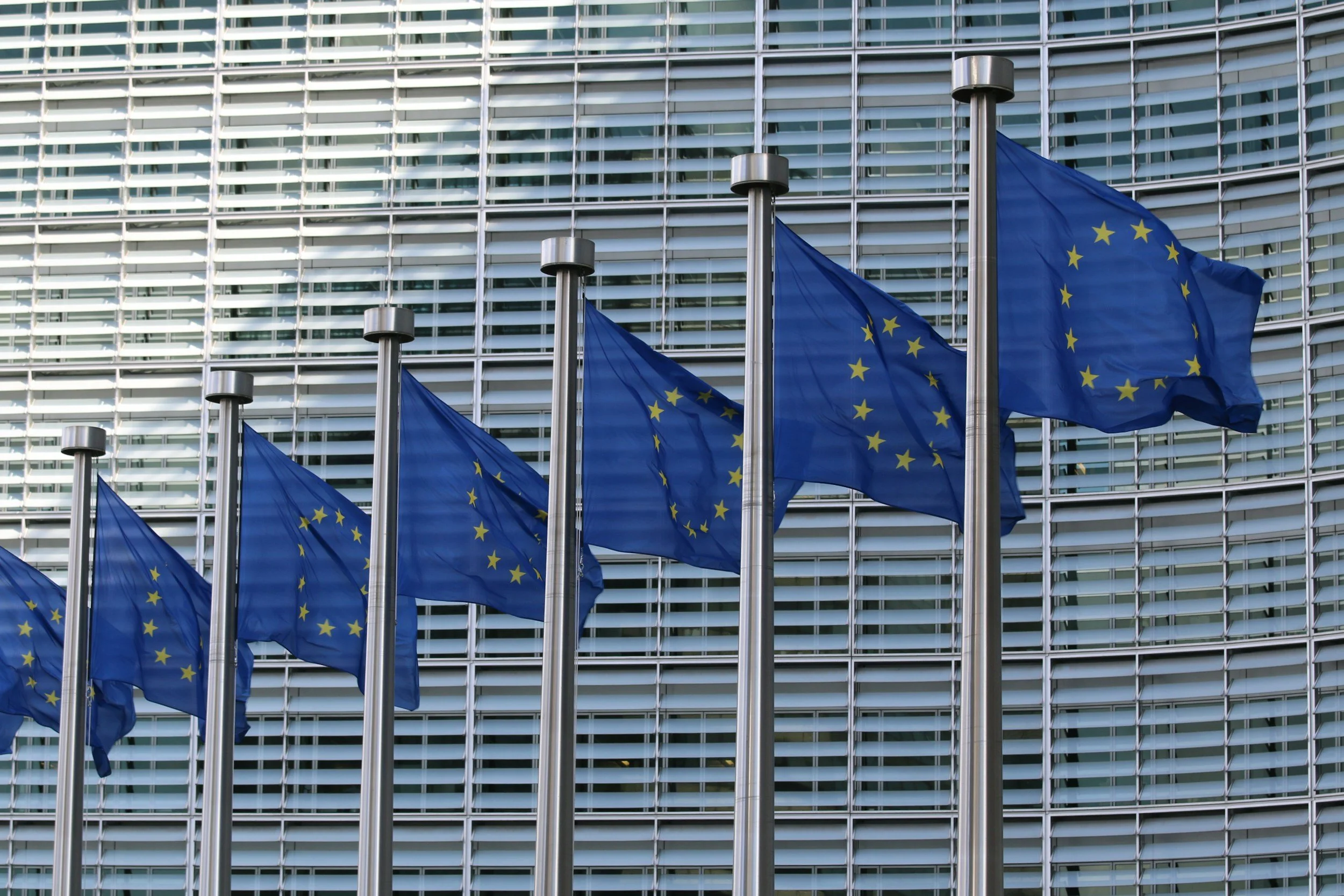
In the EU, while recent proposals under the 2025 Omnibus package have introduced delays and adjustments to the pace of implementation, the overall direction remains unchanged.
Scope 3 disclosure under CSRD and ESRS is still firmly embedded in the regulatory roadmap. These setbacks reflect timing and pragmatism, not a reversal of intent.
In the UK, alignment with ISSB standards continues to signal a clear direction of travel: Phased adoption rather than avoidance. Elsewhere, jurisdictions such as California, Japan, and parts of APAC are steadily tightening value-chain reporting requirements.
Taken together, this creates a critical window of opportunity. Slower timelines give companies breathing room to build robust Scope 3 foundations, but they also increase the importance of understanding Scope 3 beyond simple compliance.
Organisations that treat emissions tracking purely as a regulatory exercise risk missing the broader commercial, operational, and strategic benefits that value-chain visibility can unlock.
The message is consistent: Regulation may ebb and flow, but Scope 3 is not going away. Companies that use this moment to get ahead of the curve will be far better positioned when requirements inevitably tighten again.

Who’s Getting Scope 3 Right
Leading organisations aren’t aiming for perfection, they’re building momentum.
They start with what matters most, focusing on the highest-impact categories rather than trying to do everything at once.
They build a structured data framework, even if imperfect, so information becomes comparable and useful over time.
They engage suppliers, offering guidance, tools, or support instead of endless vague questionnaires.
They use estimates responsibly, improving accuracy year by year rather than waiting for perfect data.
Increasingly, they leverage digital tools to standardise data, flag gaps, and reduce manual effort.Most importantly, they treat Scope 3 as more than compliance. Mapping value-chain emissions reveals cost inefficiencies, supply-chain risks, innovation opportunities, and stronger commercial narratives.
The companies embracing this now aren’t just reporting better, they’re positioning themselves to lead the next decade of sustainable business.