Who really benefits from stricter climate laws?
In today's society, the race for green infrastructure, green practices, and a greener mentality is higher than ever, with the push for resilient cities by 2030 and the decarbonisation of the UK at our doorstep.
A new and upcoming term known as "climate gentrification" is becoming increasingly prominent. While traditional gentrification is seen when lower-income areas undergo mass improvement that raises property values, climate gentrification makes areas further away from cities and coastal zones more desirable due to the safety factor.
Clear examples of this can be seen in London’s flood plain mitigation.
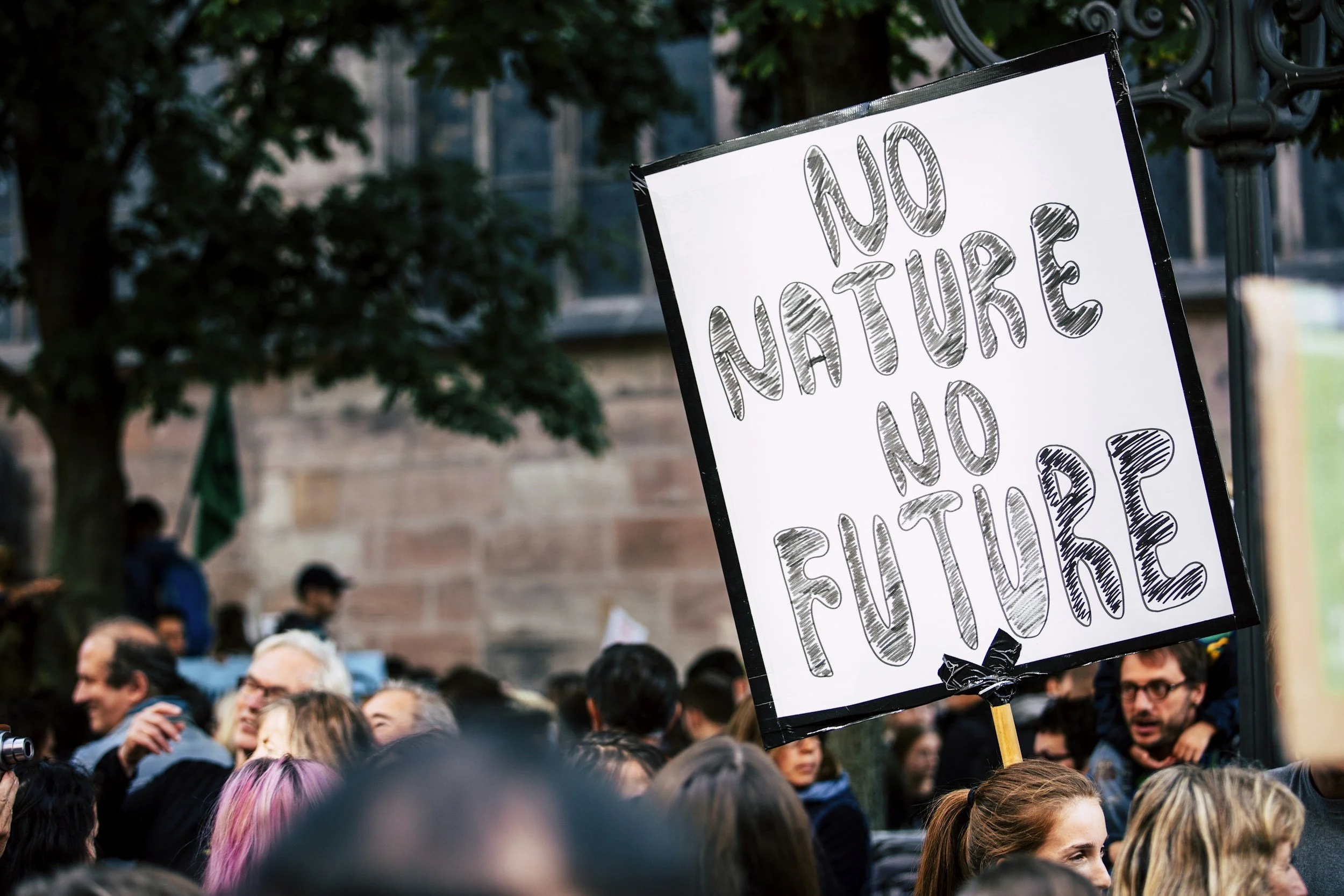
The Question Remains…
Who are we really building resilient futures for?
Is it for you and I, or for people who live nowhere near us?
If our sustainability efforts only benefit the more fortunate members of society at the cost of vulnerable communities, are we truly making a change?
The wealthiest 10% of UK households produce three times more carbon emissions than the poorest 50%, yet low-income households spend roughly 10% of their disposable income on energy and compliance costs.
Are we solving the climate crisis, or just passing it on?
Think of the climate crisis as a race: is this a solo sprint, or a relay race where we all win?
The Three Criteria of Climate Gentrification
① The High Ground Shift
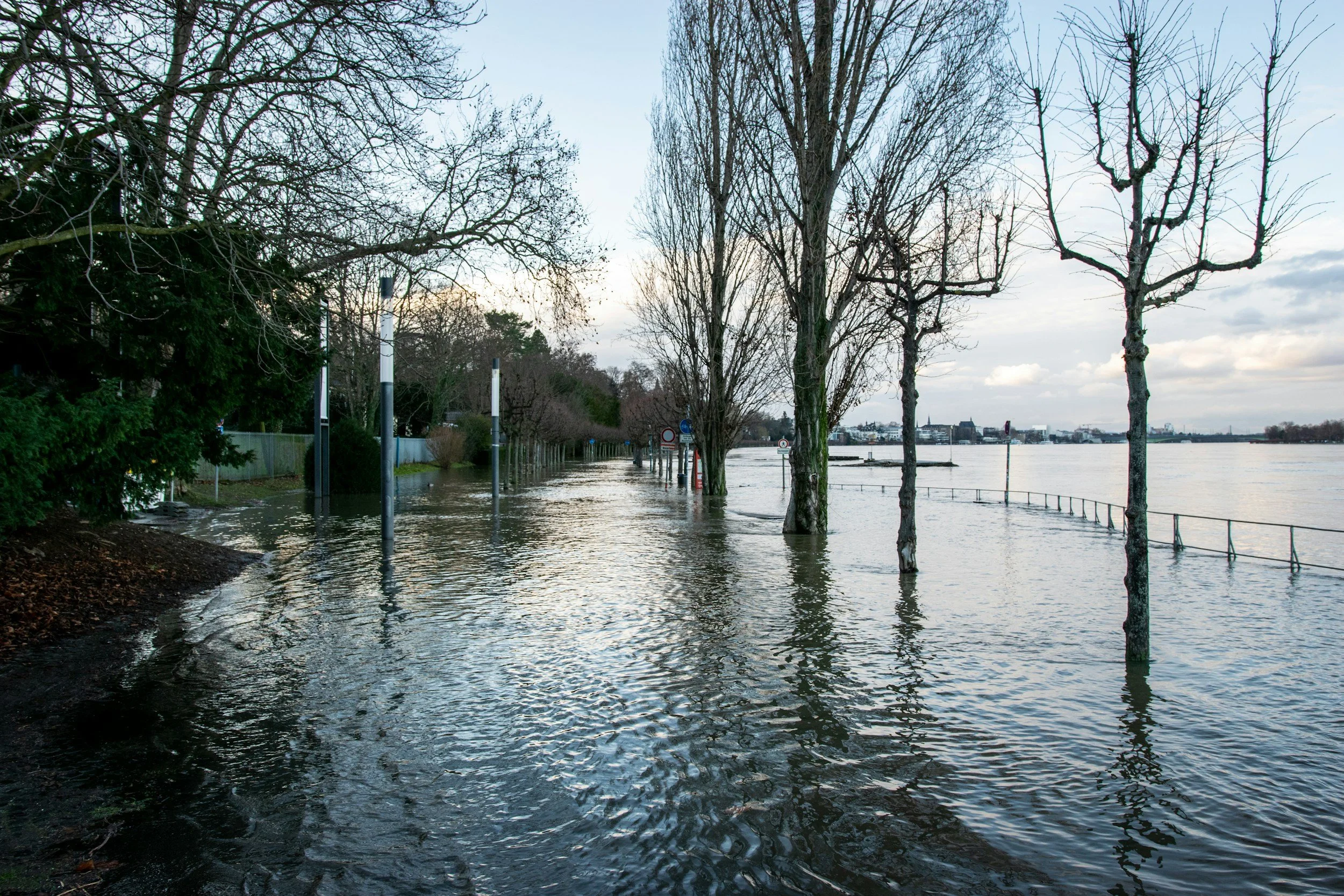
As sea levels rise, the wealthier, who have historically occupied coastal areas, are moving inland.
As the climate becomes more volatile, property values in higher-elevation areas are skyrocketing due to their topography.
While East London remains at risk for flooding, areas such as Crystal Palace are seeing a significant "elevation premium" in property prices.
By 2026, it is estimated that hundreds of thousands of UK properties may become uninsurable due to flood risk.
② The Resilience Investment Pathway
New sustainable infrastructure, such as biophilic design, green belts, ULEZ areas, and flood defences, benefits the wider population but can increase property prices and rent by up to 20%.
Can the local community afford this? In urban hubs like Stretford, where biodiversity corridors are being integrated into the town centre, local rent has increased by 3.6% annually (reaching an average of £1,358).
This does not correlate with local wage growth, forcing out residents and making green neighbourhoods exclusive.

③ The Cost Burden
Stricter building codes, such as the Biodiversity Net Gain (BNG) regulation requiring a 10% uplift, add between 3% and 6% to total building costs.
Furthermore, new Energy Performance Certificate (EPC) targets require massive investment.
Upgrading a typical terrace house from an E to a C rating now costs an average of £10,000 to £15,000.
A mandatory energy upgrade can be the final straw that leads to displacement.
Why This Matters for Your Business
This isn’t just a social justice issue; it’s a commercial risk.
➲ Talent Scarcity: If essential workers, teachers, and creatives can no longer afford to live near their work, the local economy stutters.
➲ Regulatory Backlash: Governments are beginning to link infrastructure grants to "Equitable Resilience." If your project doesn't have a plan for displacement, it could lose its qualification.
➲ Reputational Integrity: In an era of radical transparency, "Greenwashing" now includes social exclusion.

The Forward-Thinking Fix
In short: Inclusive Resilience.
The goal shouldn't be to stop "greening" our cities, but to anchor the people who live there:
➲ Community Land Trusts: Removing land from the speculative market to keep it permanently affordable.
➲ Green-Linked Rent Control: Ensuring that retrofits don't lead to immediate evictions.
➲ Localized Procurement: Hiring the local community to build the very defences that protect them.
The Bottom Line: Real sustainability doesn’t just protect the planet; it protects the people on it. Let’s make sure the "Green Revolution" doesn’t leave the most vulnerable behind.